


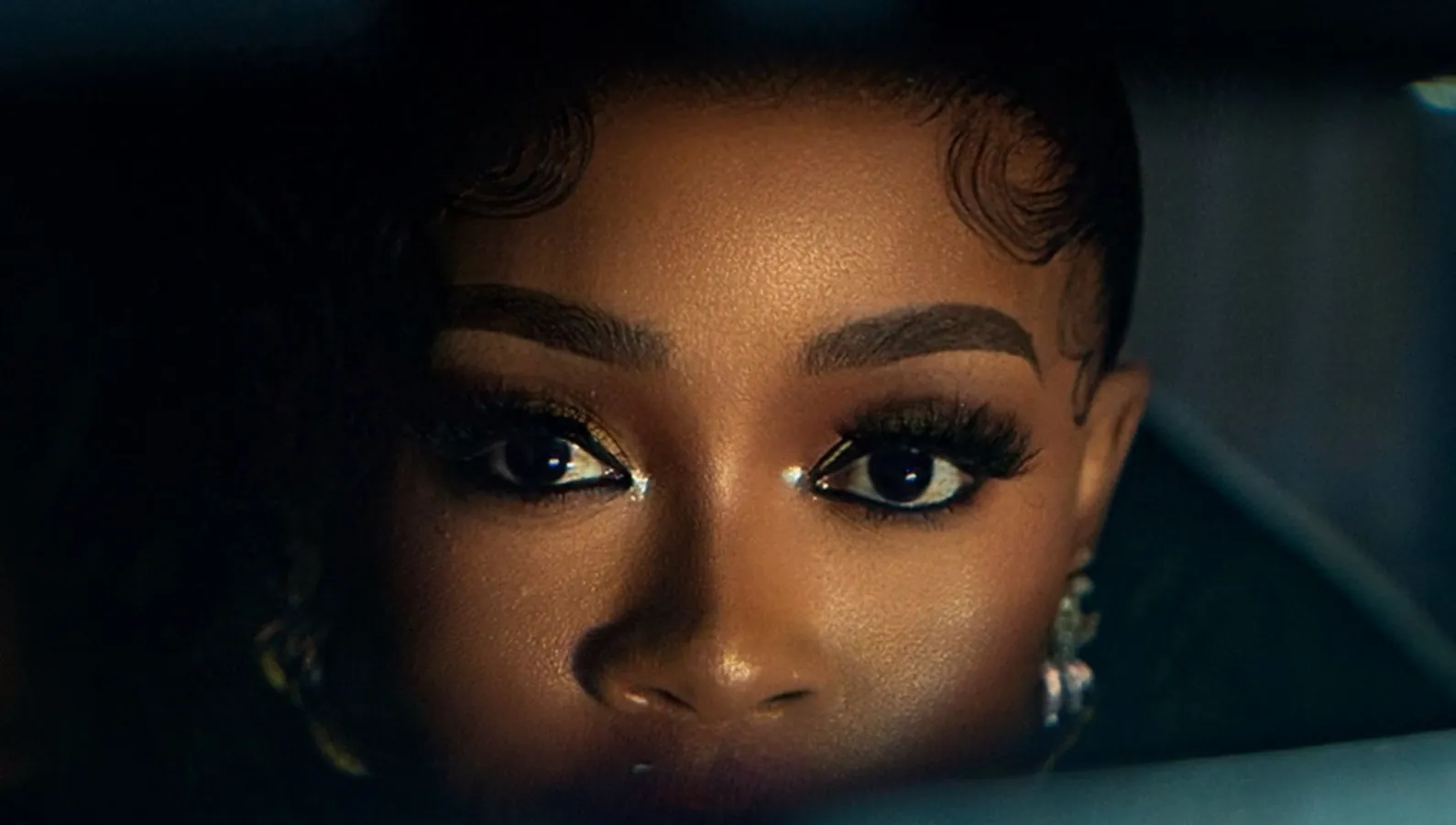
It’s about time. When you think of the architects of Mzansi’s 90s youth culture, Boom Shaka isn’t just a name; it’s the foundation. Now, decades after they first broke boundaries with their sound and style, Thembi Seete is bringing that pioneering energy full circle. Through her clothing line, The Mapule Collection, she’s dropped a new range that she calls “a love letter to the Boom Shaka era”. And for a generation that grew up watching these legends redefine what it meant to be young, fearless, and unapologetically South African, this one hits different.
Seete, alongside Junior Sokhela, Theo Nhlengethwa, and the late, iconic Lebo Mathosa, didn’t just top charts; they revolutionised the streets. They turned Doc Martens, bold crop tops, high-waisted silhouettes, and those waist-length braids into generation-defining staples. The Mapule Collection, initially inspired by Seete’s mother’s timeless elegance, now pivots to pay homage to her kwaito roots. “Even during my Boom Shaka days, fashion played a huge role in how we told our story, fearless, creative and unapologetic,” Seete said in a previous interview. “Now, Mapule Collection is an extension of that same energy, but with more depth and meaning. It represents where I come from, who I’ve become and the woman I continue to evolve into”.
The drop features three tribute looks that blend 90s kwaito nostalgia with modern luxury. The first is inspired by music, dance, and streetwear, everything Boom Shaka was. The second is a two-piece baggy denim set with floral patchwork, styled with Dr Martens “for the girls who lead with style and never blend in”. But the third look is the one that’ll hit you right in the chest: a bold red mini skirt, a direct nod to her late bandmate Lebo Mathosa, the platinum-blonde powerhouse remembered for her sheer, unbreakable confidence. “Inspired by the fearless style of Lebo Mathosa, where bold colours, confidence, and creativity ruled. For the girls who were born to stand out, not blend in”.
This isn’t just a fashion moment; it’s a cultural reset. Boom Shaka wasn’t just a kwaito group; they were the blueprint. Formed in 1993, they were among the pioneers of a genre that gave a voice to a generation finding its feet in a new South Africa. Their debut single, fittingly titled “It’s About Time,” marked the beginning of an 11-year career that had an exceptional effect on the country’s music landscape. Having female voices in the group set them apart from the rest. They were the soundtrack to Mzansi’s liberation, and their style was just as revolutionary as their sound.
Today, you can hear the echoes of that kwaito foundation in amapiano, in the log drums and the piano melodies that dominate our speakers. But what’s often forgotten is the visual identity that came with it. Thembi Seete is reminding us that the culture is more than just the beat, it’s the fit, the confidence, the attitude. While artists like Tyla and Uncle Waffles are taking the amapiano sound global, Seete is grounding us in the roots that made all of this possible. She’s bridging the gap between the generation that danced to “Kwere Kwere” and the one that’s scrolling through TikTok.
So, would this collection rock a shebeen or a club? Honestly, both. The baggy denim set with the Dr Martens? That’s a Sunday afternoon vibe at a kasi lounge. The bold red mini skirt? That’s for the dancefloor, for the girls who want to turn heads at Zone 6 or And Club. Seete has managed to capture the energy of a generation that was unapologetic and fearless, and translate it for today. This is streetwear with a story, fashion with a legacy.
It’s a reminder that kwaito isn’t just a genre you revisit for nostalgia, it’s a living, breathing part of who we are. It’s the foundation upon which Mzansi’s current cultural wave is built. Thembi Seete is proving that true icons never fade; they evolve. And she’s inviting all of us to wear that evolution.
Don’t sleep on this drop. Head over to The Mapule Collection and grab a piece of history. Stream Boom Shaka’s classics while you’re at it, remind yourself why this era changed everything. The culture thanks you.

